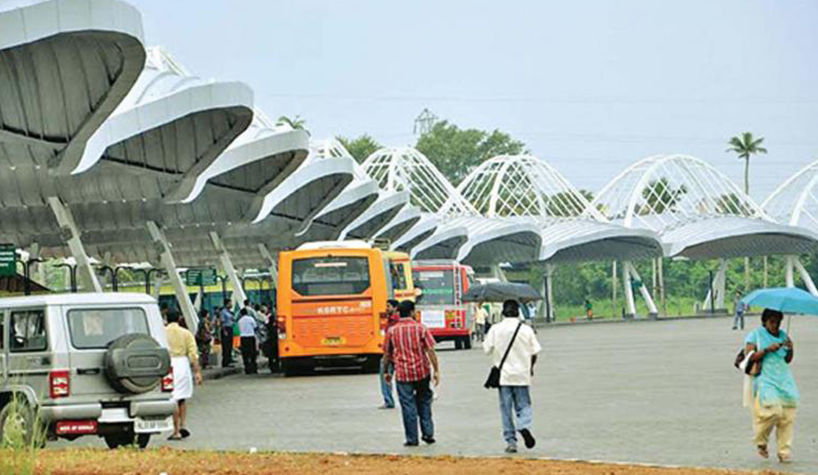
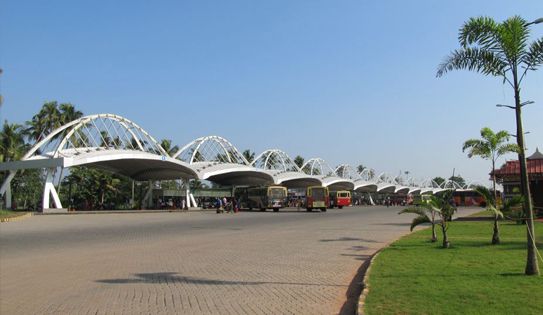
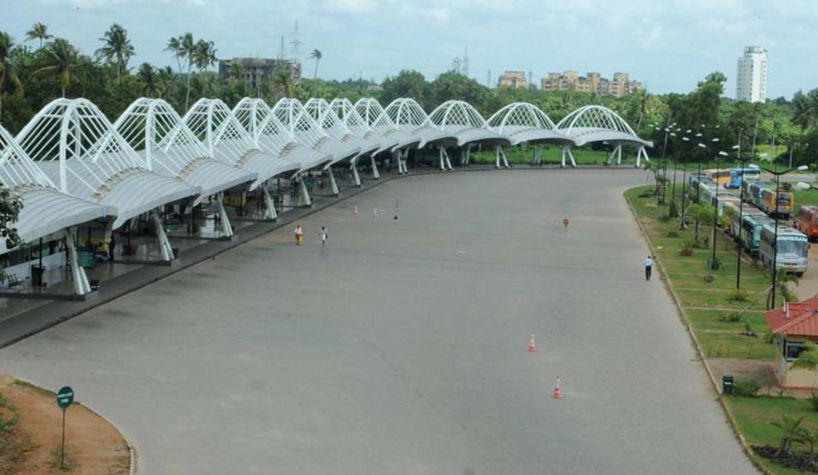
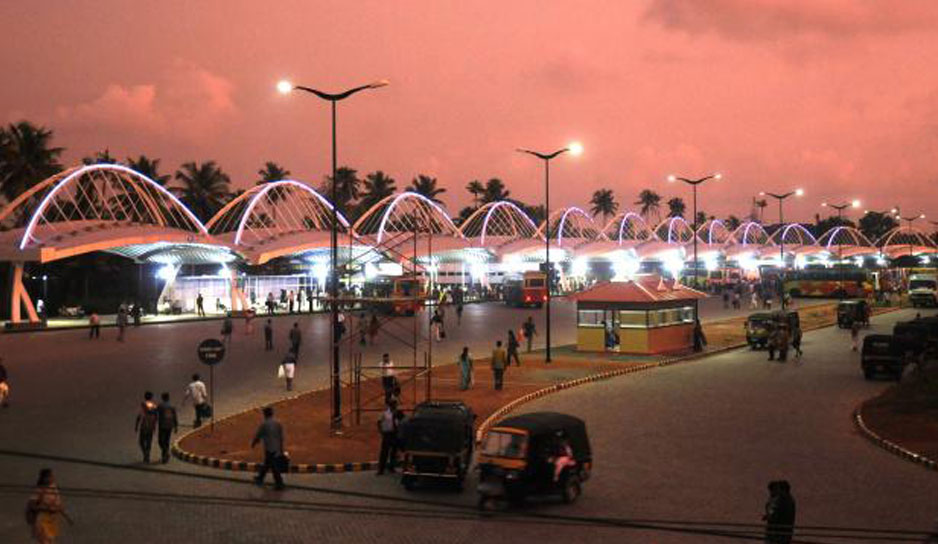
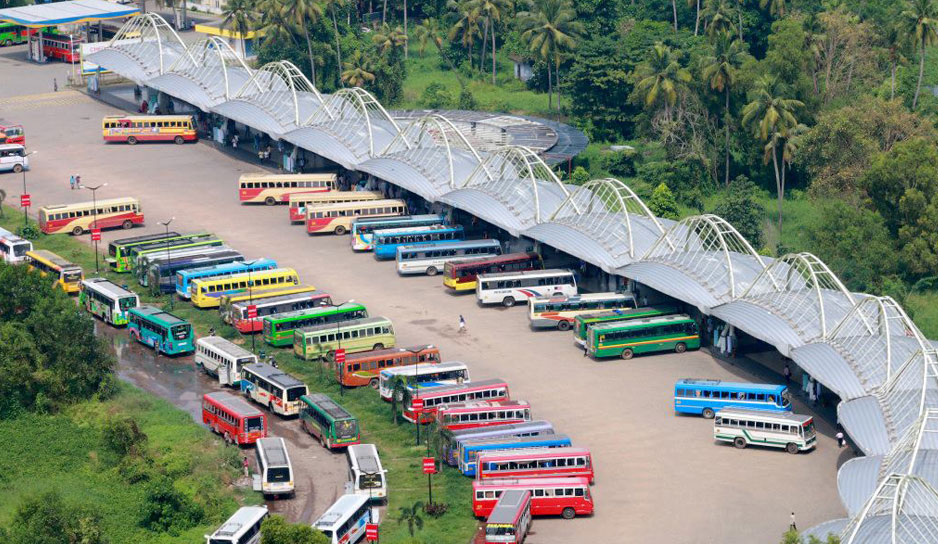
Mobility hubs have gained greater prominence in transportation planning over the past few years with the understanding that matching urban development patterns and multi-modal transportation, while giving priority to local transit, pedestrians and cyclists, is critical to ensuring efficient, sustainable regional transportation patterns. The mobility hub concept goes beyond conventional transportation infrastructure to incorporate a broader objective of creating centres with both seamless connections between multiple types of transportation and a sense of place for the user. Mobility hubs are well-established concepts in many centres around the world, where land use, transportation and human interaction come together.
Mobility hubs can evolve such that transportation becomes an integrated component of both city building and place-making. Successful mobility hubs are places which have elements of six key ingredients, illustrated in Exhibit. Not all hubs are alike in scale and function or will contain each of these ingredients to the same degree, but all will have some elements as airports, emerging centres, universities and colleges, major parks and stadiums, and regional shopping centres.
Ingredients of a Successful Mobility Hub
The influence sphere of a mobility hub has three distinct components. The transit station is at the core, served by at least one higher-order transit line. It is surrounded by the immediate vicinity of buildings, public spaces and streets which together with the station comprise the mobility hub – where people can easily access a range of activities, services and amenities. Finally there is a broader area of influence outside of the hub, the catchment area, which also supports and benefits from the hub and connects it with the conventional street system.
Components of a Mobility Hub
To be a success, the VMH must consider the critical infrastructure additions to the network of transit systems available, as well as the ease and convenience of the entire transport trip, to and from home, the office, school or other destinations. The great advantage of the car, and the reason it is so popular, is that it offers freedom of movement that is versatile, adaptable and comfortable. The car allows ease
of movement, not only between two points, an origin and destination – but also among any number of places – all in the convenience of a single mode. While cost and journey time considerations will increasingly act to reduce the relative advantages of the automobile, a competitive transportation system must find a way to offer attractive, comparable or superior levels of service and convenience,
focused on increased choice of modes at mobility hubs, and the network that connects them.
The system of mobility hubs will become an important unifying component of the VMH, serving as the foundation of a connected system. The environmental benefits of reducing dependence on the private car and increasing walking, transit and cycling must combine with the economic benefits to businesses and individuals of easy movement around the region with little waste of time and money as a result of congestion. All of this should occur within an urban setting designed for the way people and families would like to live, work and enjoy themselves. There is an alternative to the trends of congestion, sprawl,
Limited transit options, declining air quality and economic inefficiency for our thriving, dynamic successful region. This alternative is based on sustainable development and a supportive business environment that offers a way for people and families to move easily about our growing metropolis. Mobility hubs are one of the key building blocks.