Toggle navigation
HOME
ABOUT US
TENDERS/QUOTATIONS
NOTICE BOARD
RTI ACT
DOCUMENTS
BUS ENQUIRY/ SEARCH
GALLERY
NEWS
CONTACT US
BUS TIMING ENQUIRY
KSRTC Enquiry Numbers:
0484 2301161
Private Bus Enquiry Numbers:
0484 2303434
BUS SEARCH
From:
To:
Around
-Select-
12:00 AM
12:30 AM
01:00 AM
01:30 AM
02:00 AM
02:30 AM
03:00 AM
03:30 AM
04:00 AM
04:30 AM
05:00 AM
05:30 AM
06:00 AM
06:30 AM
07:00 AM
07:30 AM
08:00 AM
08:30 AM
09:00 AM
09:30 AM
10:00 AM
10:30 AM
11:00 AM
11:30 AM
12:00 PM
12:30 PM
01:00 PM
01:30 PM
02:00 PM
02:30 PM
03:00 PM
03:30 PM
04:00 PM
04:30 PM
05:00 PM
05:30 PM
06:00 PM
06:30 PM
07:00 PM
07:30 PM
08:00 PM
08:30 PM
09:00 PM
09:30 PM
10:00 PM
10:30 PM
11:00 PM
11:30 PM
To
-Select-
12:00 AM
12:30 AM
01:00 AM
01:30 AM
02:00 AM
02:30 AM
03:00 AM
03:30 AM
04:00 AM
04:30 AM
05:00 AM
05:30 AM
06:00 AM
06:30 AM
07:00 AM
07:30 AM
08:00 AM
08:30 AM
09:00 AM
09:30 AM
10:00 AM
10:30 AM
11:00 AM
11:30 AM
12:00 PM
12:30 PM
01:00 PM
01:30 PM
02:00 PM
02:30 PM
03:00 PM
03:30 PM
04:00 PM
04:30 PM
05:00 PM
05:30 PM
06:00 PM
06:30 PM
07:00 PM
07:30 PM
08:00 PM
08:30 PM
09:00 PM
09:30 PM
10:00 PM
10:30 PM
11:00 PM
11:30 PM
Search
BOAT TIMING ENQUIRY
From Vyttila To Kakkanad
07:00AM
09:20AM
01:30PM
04:40PM
From Kakkanad To Vyttila
08:00AM
11:00AM
04:20PM
05:50PM
VYTTILA
MOBILITY HUB
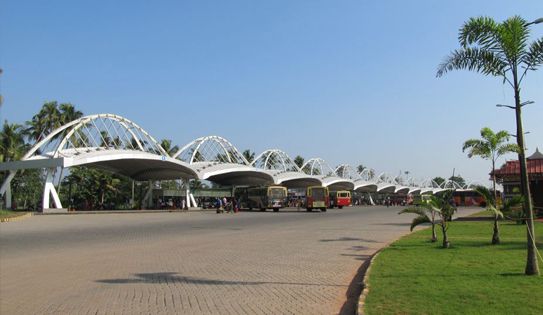
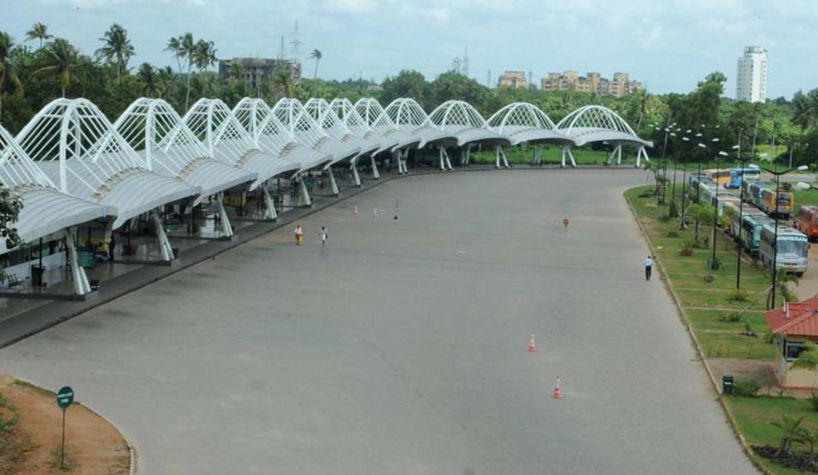
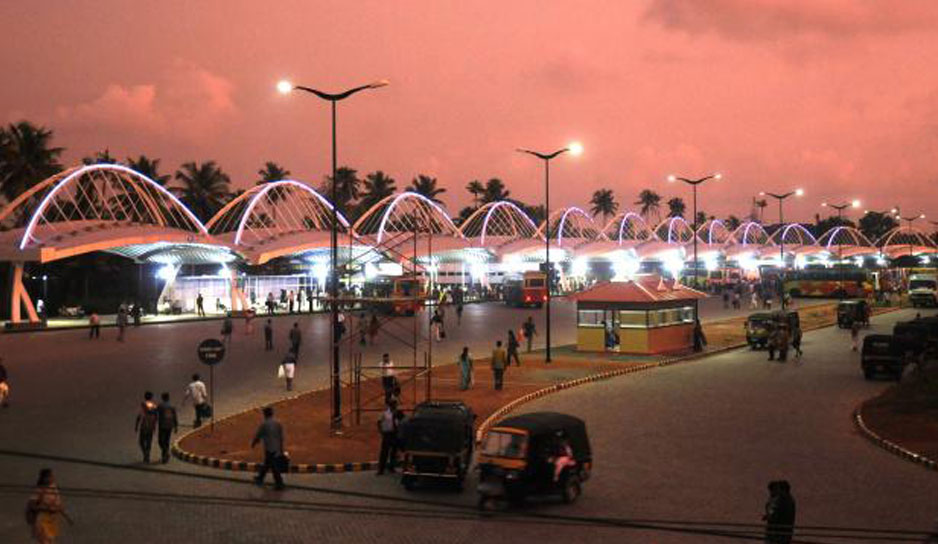
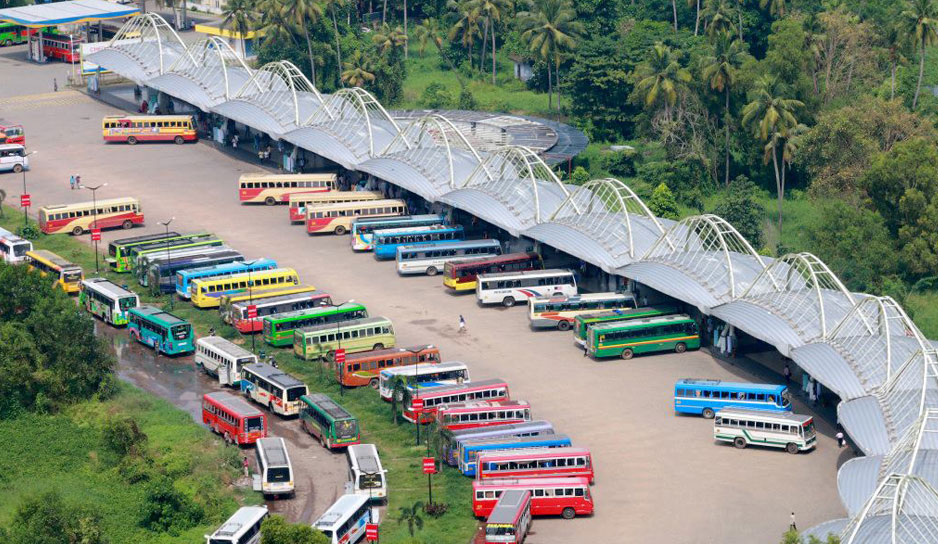
An integrated multimode transportation terminal with all modern passenger amenities
vyttilamobilityhubsocity@gmail.com
http://www.keralartc.com/
https://kochimetro.org/


 BUS TIMING ENQUIRY
 BUS SEARCH
 BOAT TIMING ENQUIRY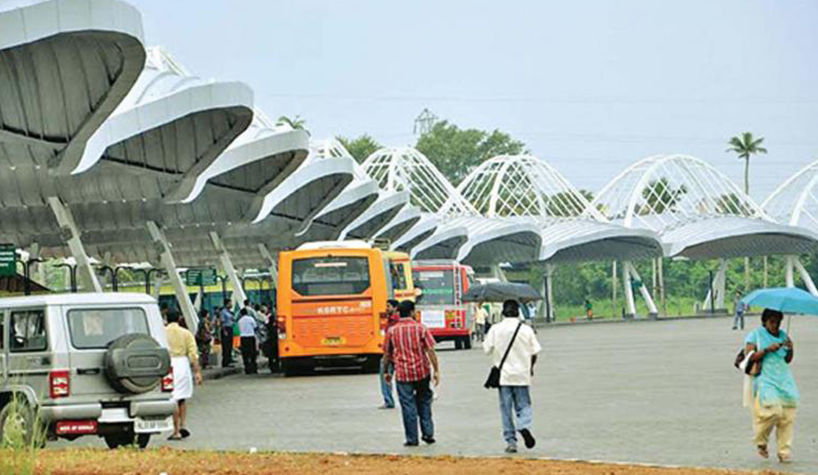




 2016.All rights reserverd @ vyttilamobilityhub.comviewers : 4142582